Buy schleswig.info ?
We are moving the project
schleswig.info .
Are you interested in purchasing the domain
schleswig.info ?
domain@kv-gmbh.de · 0541-91531010
Buy schleswig.info ?
How is equity calculated?
Equity is calculated by subtracting the total liabilities of a company from its total assets. In other words, equity represents the ownership interest in a company's assets after all debts and obligations have been paid off. It is a measure of the company's net worth and is often used by investors and analysts to assess the financial health and value of a company. Equity can also be calculated for individuals by subtracting their total liabilities (such as mortgages, loans, and credit card debt) from their total assets (such as savings, investments, and property). **
What is equity capital?
Equity capital refers to the funds that a company raises by selling shares of ownership in the business. These shares represent ownership in the company and entitle the shareholders to a portion of the company's profits and a say in its decision-making processes. Equity capital is a crucial source of long-term funding for a company and can be raised through the sale of common stock or preferred stock. Unlike debt capital, equity capital does not need to be repaid and does not accrue interest, but it does dilute the ownership stake of existing shareholders. **


Similar search terms for Equity
Top-Angebote
Products related to Equity:
-
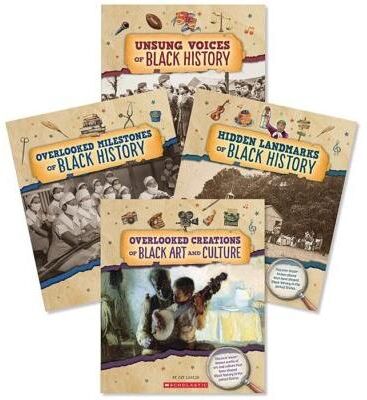
From the Archives: Black History and Culture Value PackThis brand-new series is rooted in a profound commitment to shedding light on some of the important -- and often lesser-known -- aspects of Black history. From the Archives features landmarks, events, people, and artistic endeavors that have played...27,99 $*Shipping: 0,00 $Secure redirect to the provider
-
Authors Equity The Simple Path to Wealth: Your Road Map to Financial Independence and a Rich, Free Life by J L CollinsWhat if the path to wealth isn't about timing the market or picking hot stocks, or even about paying someone else to do it for you? What if it’s actually about following a radically simple plan that’s not only easier to implement, but also more lucrative than the alternatives? Drawing from fifty years of investing experience, and born out of a series of letters the author wrote to his daughter, The Simple Path to Wealth has become foundational to the FIRE (Financial Independence, Retire Early) movement, inspiring hundreds of thousands of readers to reimagine their relationship with money and freedom. The real-world success of Collins' approach is documented in Pathfinders, his collection of stories from readers who have transformed their financial lives using his method. Whether you care deeply about money, or never want to think about it at all, you’re living in a culture of spending. Everyone’s telling you that handing over your cash for this gadget, this potion, this lifestyle is the key to happiness. Meanwhile, the reality is that happiness is more likely to come from having the financial freedom to live the life you really want. Whatever your relationship with money, you will be heartened by Collins’ essential insight, which is that simplicity beats complexity every time. This comprehensive guide covers everything from debt elimination to optimizing retirement accounts, all while exposing the marketing myths and investment industry practices that keep most people from building real wealth. Collins shares specific, actionable strategies for both wealth-building and wealth-preservation phases, with a straightforward approach to asset allocation that anyone can implement. Collins' direct, often irreverent style makes complex financial concepts crystal clear, giving readers the tools and confidence to take control of their financial future. More than just another investment book, The Simple Path to Wealth is a blueprint for financial independence – showing readers how to break free from the financial industry’s traps and live life on their own terms.12,99 £*Shipping: 2,99 £Secure redirect to the provider
-
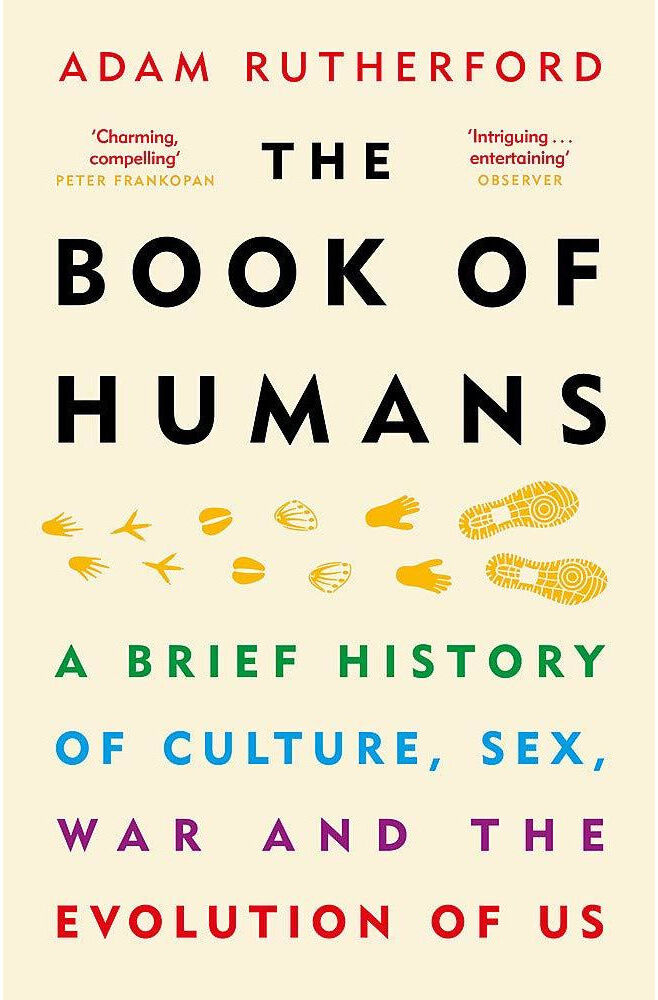
Orion The Book of Humans by Adam Rutherford – A Brief History of Culture, Sex, War & EvolutionWHAT MAKES US HUMAN? Waging war? Sex for pleasure? Creating art? Mastery of fire? In this thrilling tour of the animal kingdom, Adam Rutherford tells the story of how we became the unique creatures we are today. Illuminated by the latest scientific discoveries, THE BOOK OF HUMANS is a dazzling compendium of what unequivocally fixes us as animals, and reveals how we are extraordinary among them.4,98 £*Shipping: 1,99 £Secure redirect to the provider
-
DK 100 History Series 4 Books Collection Set - History, Events, Inventions, Women - Non Fiction - PaperbackTitles in This Set:. 100 People Who Made History. 100 Events That Made History. 100 Inventions That Made History. 100 Women Who Made History Condition: BRAND NEW. Format: Paperback Overview:. Dive into four gateways to the past with the 100 History Series 4 Books Collection Set. Crafted for curious minds, this paperback quartet turns big ideas into bite-sized, visually engaging profiles that are easy to read. Explore the trailblazers who reshaped culture, the moments that redirected civilizations, the inventions that power daily life, and the remarkable women who advanced science, politics, sport, and art. Each title offers concise entries, vivid illustrations, and clear timelines that bring history to life. Perfect for reluctant readers who enjoy fast-paced, picture-rich pages, as well as history lovers seeking a portable quick-reference library. Together, these four volumes form a complete, affordable history journey in one beautifully bound set. What Makes This Collection Special:. This quartet forms a cohesive, all-ages history library in four approachable strands. Readers can start with the people who defined eras, move through pivotal events, explore inventions that changed daily life, and celebrate the extraordinary women who shaped society. The consistent design—same accessible tone, layout, and eye-catching visuals—creates a satisfying reading rhythm that invites steady progress. For parents, teachers, and gift-givers, the set doubles as a curriculum-friendly resource that supports homework and discussions while sparking curiosity long after the first page. It’s a complete toolkit for building historical literacy, critical thinking, and a lifelong love of learning. Books Included in This Collection:. 100 People Who Made History. From scientists, artists, and political leaders to cultural icons, this volume distills 100 lives into concise biographies. Each entry highlights the figure’s impact with clear context and vivid visuals, helping readers see how individual choices ripple through time. Short, engaging profiles invite discussion, curiosity, and inspiration, making it ideal for bedtime reading or classroom reference that builds early historical literacy. 100 Events That Made History. From ancient trade routes to modern breakthroughs, this volume charts 100 transformative moments that shaped human civilization. Each entry explains the event’s significance, the timeline, and the aftermath in a way that’s accessible to younger readers without sacrificing depth. Crisp illustrations and sidebars illuminate cause-and-effect, helping readers connect past events with present-day life and ideas. 100 Inventions That Made History. This book surveys 100 breakthroughs that quietly power daily life—from everyday tools to revolutionary technologies. Each entry explains what the invention does, who contributed to its development, and why it mattered in its era and beyond. With approachable diagrams and compact explanations, it makes the story of...99,99 £*Shipping: 0,00 £Secure redirect to the provider


-
What is the accumulated equity?
The accumulated equity is the total value of an asset after subtracting any liabilities or debts associated with it. It represents the ownership interest or value that an individual or entity has in the asset. Accumulated equity can increase over time as the asset appreciates in value or as debts are paid off, resulting in a higher net worth for the owner. It is an important measure of financial health and can be used to determine the overall value of an investment or property. **
-
'Equity type or legal type?'
Equity type refers to the ownership structure of a company, indicating whether it is publicly traded or privately held. Legal type, on the other hand, refers to the legal structure of a business entity, such as a corporation, partnership, or sole proprietorship. While equity type focuses on ownership, legal type is concerned with the legal rights and responsibilities of the entity. Both equity type and legal type are important considerations when determining the structure and governance of a business. **
-
How do you calculate equity?
Equity is calculated by subtracting the total liabilities of a company from its total assets. The formula for calculating equity is: Equity = Total Assets - Total Liabilities. This calculation gives a measure of the ownership interest in a company, representing the residual value of the assets after all debts and liabilities have been paid off. Equity is an important financial metric that is used to assess the financial health and stability of a company. **
-
How can one improve equity?
One can improve equity by addressing systemic barriers and biases that contribute to inequality. This can be achieved through policies and practices that promote equal access to opportunities, resources, and representation for all individuals, regardless of their background. Additionally, promoting diversity and inclusion in all aspects of society can help to create a more equitable environment. It is also important to actively listen to and amplify the voices of marginalized communities in decision-making processes. **


How does depreciation affect equity?
Depreciation reduces the value of assets on the balance sheet, which in turn reduces the overall equity of the company. This is because equity is calculated as the difference between a company's assets and liabilities. As the value of assets decreases due to depreciation, the overall equity of the company also decreases. This can impact the financial health of the company and its ability to attract investors or secure financing. **
What is the difference between equal opportunities, equity of opportunity, and equity of achievement?
Equal opportunities refers to the idea that everyone should have the same access to opportunities, resources, and rights regardless of their background or circumstances. Equity of opportunity goes a step further, aiming to ensure that everyone has the support and resources they need to have an equal chance of success, taking into account individual differences and barriers. Equity of achievement focuses on ensuring that everyone has the same chance of achieving success, regardless of their starting point, and aims to address and eliminate disparities in outcomes. In summary, while equal opportunities focuses on access, equity of opportunity and equity of achievement focus on addressing and eliminating disparities in support and outcomes. **
Top-Angebote
Products related to Equity:
-
Authors Equity Superagency: What Could Possibly Go Right With Our AI Future - Non Fiction - PaperbackTitle:. Superagency: What Could Possibly Go Right With Our AI Future Format: Paperback Overview:. In Superagency, Reid Hoffman and journalist Greg Beato offer a bold, human-centered vision of an AI-powered future. This accessible non-fiction work reframes the conversation around artificial intelligence—from fear-based headlines to a practical playbook for expanding human agency in the workplace, in governance, and in everyday decision-making. The authors argue that AI can augment our capabilities, not replace them, and they map a road to responsible, creative collaboration between people and machines. The book blends real-world business insight with thoughtful ethical considerations, delivering clear strategies for leaders, teams, and curious readers who want to participate in shaping a positive trajectory. Designed for non-technical audiences as well as seasoned tech watchers, it explains concepts with tangible examples, case studies, and actionable steps that readers can apply immediately. If you’re seeking a hopeful yet grounded take on how AI can amplify opportunity—without surrendering control—this paperback guides you toward a more confident, proactive relationship with technology. A timely read for entrepreneurs, policy-makers, educators, and everyday readers who want to understand what could go right—and how to make it so. What Makes This Book Stand Out:. Superagency stands out by presenting a constructive, agency-forward narrative at a moment when many AI books focus on risk or hype. Hoffman’s credibility as a tech entrepreneur and LinkedIn co‑founder, paired with Beato’s nuanced reporting, yields a balanced, practical blueprint rather than speculative hype. The authors illuminate how individuals and organizations can harness AI to enhance decision-making, creativity, and collaboration, offering concrete frameworks, decision trees, and leadership guidance that readers can translate into real-world action. It’s non-technical in tone but deliberately aspirational, inviting readers to participate in shaping a future where human ingenuity partners with intelligent systems. The book’s emphasis on governance, ethics, and responsible deployment adds depth, making it a compelling choice for readers who want both inspiration and implementable strategies. Who This Book Is Perfect For:. This paperback is ideal for startup founders, business leaders, managers, and teams exploring AI adoption without needing a coding background. It also appeals to policy makers, educators, and students curious about how AI can augment human work rather than erode it. Readers seeking a hopeful, action-oriented take on technology will appreciate the practical guidance, clear language, and accessible examples. If you’re the kind of reader who devours business books, leadership playbooks, or tech-focused non-fiction that translates high-level ideas into everyday decisions, this title will resonate. It also makes a thoughtful gift for colleagues, mentors, or graduates who...22,00 £*Shipping: 2,99 £Secure redirect to the provider
-
From the Archives: Black History and Culture Value PackThis brand-new series is rooted in a profound commitment to shedding light on some of the important -- and often lesser-known -- aspects of Black history. From the Archives features landmarks, events, people, and artistic endeavors that have played...27,99 $*Shipping: 0,00 $Secure redirect to the provider
-
Authors Equity The Simple Path to Wealth: Your Road Map to Financial Independence and a Rich, Free Life by J L CollinsWhat if the path to wealth isn't about timing the market or picking hot stocks, or even about paying someone else to do it for you? What if it’s actually about following a radically simple plan that’s not only easier to implement, but also more lucrative than the alternatives? Drawing from fifty years of investing experience, and born out of a series of letters the author wrote to his daughter, The Simple Path to Wealth has become foundational to the FIRE (Financial Independence, Retire Early) movement, inspiring hundreds of thousands of readers to reimagine their relationship with money and freedom. The real-world success of Collins' approach is documented in Pathfinders, his collection of stories from readers who have transformed their financial lives using his method. Whether you care deeply about money, or never want to think about it at all, you’re living in a culture of spending. Everyone’s telling you that handing over your cash for this gadget, this potion, this lifestyle is the key to happiness. Meanwhile, the reality is that happiness is more likely to come from having the financial freedom to live the life you really want. Whatever your relationship with money, you will be heartened by Collins’ essential insight, which is that simplicity beats complexity every time. This comprehensive guide covers everything from debt elimination to optimizing retirement accounts, all while exposing the marketing myths and investment industry practices that keep most people from building real wealth. Collins shares specific, actionable strategies for both wealth-building and wealth-preservation phases, with a straightforward approach to asset allocation that anyone can implement. Collins' direct, often irreverent style makes complex financial concepts crystal clear, giving readers the tools and confidence to take control of their financial future. More than just another investment book, The Simple Path to Wealth is a blueprint for financial independence – showing readers how to break free from the financial industry’s traps and live life on their own terms.12,99 £*Shipping: 2,99 £Secure redirect to the provider
-
How is equity calculated?
Equity is calculated by subtracting the total liabilities of a company from its total assets. In other words, equity represents the ownership interest in a company's assets after all debts and obligations have been paid off. It is a measure of the company's net worth and is often used by investors and analysts to assess the financial health and value of a company. Equity can also be calculated for individuals by subtracting their total liabilities (such as mortgages, loans, and credit card debt) from their total assets (such as savings, investments, and property). **
-
What is equity capital?
Equity capital refers to the funds that a company raises by selling shares of ownership in the business. These shares represent ownership in the company and entitle the shareholders to a portion of the company's profits and a say in its decision-making processes. Equity capital is a crucial source of long-term funding for a company and can be raised through the sale of common stock or preferred stock. Unlike debt capital, equity capital does not need to be repaid and does not accrue interest, but it does dilute the ownership stake of existing shareholders. **
-
What is the accumulated equity?
The accumulated equity is the total value of an asset after subtracting any liabilities or debts associated with it. It represents the ownership interest or value that an individual or entity has in the asset. Accumulated equity can increase over time as the asset appreciates in value or as debts are paid off, resulting in a higher net worth for the owner. It is an important measure of financial health and can be used to determine the overall value of an investment or property. **
-
'Equity type or legal type?'
Equity type refers to the ownership structure of a company, indicating whether it is publicly traded or privately held. Legal type, on the other hand, refers to the legal structure of a business entity, such as a corporation, partnership, or sole proprietorship. While equity type focuses on ownership, legal type is concerned with the legal rights and responsibilities of the entity. Both equity type and legal type are important considerations when determining the structure and governance of a business. **
Similar search terms for Equity
-
Orion The Book of Humans by Adam Rutherford – A Brief History of Culture, Sex, War & EvolutionWHAT MAKES US HUMAN? Waging war? Sex for pleasure? Creating art? Mastery of fire? In this thrilling tour of the animal kingdom, Adam Rutherford tells the story of how we became the unique creatures we are today. Illuminated by the latest scientific discoveries, THE BOOK OF HUMANS is a dazzling compendium of what unequivocally fixes us as animals, and reveals how we are extraordinary among them.4,98 £*Shipping: 1,99 £Secure redirect to the provider
-
DK 100 History Series 4 Books Collection Set - History, Events, Inventions, Women - Non Fiction - PaperbackTitles in This Set:. 100 People Who Made History. 100 Events That Made History. 100 Inventions That Made History. 100 Women Who Made History Condition: BRAND NEW. Format: Paperback Overview:. Dive into four gateways to the past with the 100 History Series 4 Books Collection Set. Crafted for curious minds, this paperback quartet turns big ideas into bite-sized, visually engaging profiles that are easy to read. Explore the trailblazers who reshaped culture, the moments that redirected civilizations, the inventions that power daily life, and the remarkable women who advanced science, politics, sport, and art. Each title offers concise entries, vivid illustrations, and clear timelines that bring history to life. Perfect for reluctant readers who enjoy fast-paced, picture-rich pages, as well as history lovers seeking a portable quick-reference library. Together, these four volumes form a complete, affordable history journey in one beautifully bound set. What Makes This Collection Special:. This quartet forms a cohesive, all-ages history library in four approachable strands. Readers can start with the people who defined eras, move through pivotal events, explore inventions that changed daily life, and celebrate the extraordinary women who shaped society. The consistent design—same accessible tone, layout, and eye-catching visuals—creates a satisfying reading rhythm that invites steady progress. For parents, teachers, and gift-givers, the set doubles as a curriculum-friendly resource that supports homework and discussions while sparking curiosity long after the first page. It’s a complete toolkit for building historical literacy, critical thinking, and a lifelong love of learning. Books Included in This Collection:. 100 People Who Made History. From scientists, artists, and political leaders to cultural icons, this volume distills 100 lives into concise biographies. Each entry highlights the figure’s impact with clear context and vivid visuals, helping readers see how individual choices ripple through time. Short, engaging profiles invite discussion, curiosity, and inspiration, making it ideal for bedtime reading or classroom reference that builds early historical literacy. 100 Events That Made History. From ancient trade routes to modern breakthroughs, this volume charts 100 transformative moments that shaped human civilization. Each entry explains the event’s significance, the timeline, and the aftermath in a way that’s accessible to younger readers without sacrificing depth. Crisp illustrations and sidebars illuminate cause-and-effect, helping readers connect past events with present-day life and ideas. 100 Inventions That Made History. This book surveys 100 breakthroughs that quietly power daily life—from everyday tools to revolutionary technologies. Each entry explains what the invention does, who contributed to its development, and why it mattered in its era and beyond. With approachable diagrams and compact explanations, it makes the story of...99,99 £*Shipping: 0,00 £Secure redirect to the provider
-
The Book of Humans: A Brief History of Culture, Sex, War and the Evolution of Us by Adam Rutherford - Non Fiction - PaperbackTitle:. The Book of Humans: A Brief History of Culture, Sex, War and the Evolution of Us Condition: BRAND NEW. Format: Paperback. ISBN: Overview:. In The Book of Humans, Adam Rutherford invites readers on a provocative tour through the animal kingdom and across human history to answer a single, enduring question: what makes us human? Drawing on genetics, archaeology, neuroscience, and anthropology, the book reveals how culture, sexuality, warfare, language, and emotion are woven into our evolutionary story. Rutherford presents complex science in clear, vivid prose, turning big ideas into accessible, evidence-based insights. He argues that humans are both remarkably unique and deeply continuous with the animal world, proving that our most celebrated innovations—art, religion, science, social justice—emerge from a natural, biological foundation. This paperback edition is ideal for curious readers, students, and gift buyers who want a compelling map of what shapes human life today. Whether you’re seeking a thoughtful popular science read that challenges assumptions or a rigorous primer for a classroom discussion, this book rewards careful reading and engagement. What Makes This Book Stand Out:. Adam Rutherford’s warmth as a guide and his knack for making science feel human are what set The Book of Humans apart. Rather than a dry survey of facts, he threads genetics with culture, showing how our DNA interacts with environment to shape art, politics, and daily life. The book dismantles myths about human nature, offering fresh perspectives on why societies form, how conflict arises, and what drives relationships, sexuality, and cooperation. Rich with real-world examples—from animal behavior to ancient artifacts—this is a work that invites readers to question clichés while gaining a clearer, integrated view of humanity. The result is a readable, thought-provoking journey into who we are and why we do the things we do. Who This Book Is Perfect For:. This title is ideal for adults who crave rigorous,Accessible popular science that respects your intelligence, science enthusiasts seeking a concise synthesis of biology and culture, and curious non-fiction readers eager for a fresh take on human evolution. It’s a superb pick for book clubs, thoughtful gifts for graduates, teachers incorporating cross-disciplinary material, and fans of science communication who enjoyed Rutherford’s other work. If you’ve ever wondered why humans create culture, why rituals endure, or how biology underpins social life, this book answers those questions with clarity and punch. Key Highlights:. Explores the biological roots of culture, art, and language. Demystifies human uniqueness while linking us to other animals. Accessible, engaging writing that makes complex science approachable. Challenging preconceptions about sex, war, cooperation and conflict. Thought-provoking, discussion-worthy examples for classrooms and book clubs. Solid foundation for further reading in evolution,...2,99 £*Shipping: 2,99 £Secure redirect to the provider
-
Daniel Coyle Collection 3 Books Set Talent Code, Culture Code, Culture PlaybookDescription:. Condition: BRAND NEW. Format: Paperback. The Talent Code: Greatness isn't born. It's grown. In The Talent Code, award-winning journalist Daniel Coyle draws on cutting-edge research to reveal that, far from being some abstract mystical power fixed at birth, ability really can be created and nurtured.In the process, he considers talent at work in venues as diverse as a music school in Dallas and a tennis academy near Moscow to demonstrate how the wiring of our brains can be transformed by the way we approach particular tasks. He explains what is really going on when apparently unremarkable people suddenly make a major leap forward. He reveals why some teaching methods are so much more effective than others. Above all, he shows how all of us can achieve our full potential if we set about training our brains in the right way..... The Culture Code: The Secrets of Highly Successful Groups. The Culture Code reveals the secrets of some of the best teams in the world - from Pixar to Google to US Navy SEALs - explaining the three skills such groups have mastered in order to generate trust and a willingness to collaborate. Combining cutting-edge science, on-the-ground insight and practical ideas for action, it offers a roadmap for creating an environment where innovation flourishes, problems get solved, and expectations are exceeded..... The Culture Playbook: 60 Highly Effective Actions to Help Your Group Succeed.... What is great culture made of? How do you get more of it, or turn around a group that needs improving? In The Culture Playbook, Daniel Coyle delivers a field-tested guide for building strong, cohesive, high-performing groups.Coyle, author of the New York Times bestselling The Culture Code, has spent the last six years studying and consulting with some of the most successful groups on the planet - including Pixar, Navy SEALS Team 6 and others. Here, he distils his findings into 60 concise, actionable, scientifically proven tips for building safety, generating trust, and establishing purpose - plus a set of conversation-igniting exercises to help you assess and improve your current culture.The result is a book that will sharpen the skills of any leader and strengthen the cohesion of any team - because it demonstrates that great culture is not controlled by fate or luck; it's controlled by you..... Title. Daniel Coyle Collection 3 Books Set Talent Code, Culture Code,Culture Playbook. Delivery. Content. Reviews30,99 £*Shipping: 2,99 £Secure redirect to the provider
-
How do you calculate equity?
Equity is calculated by subtracting the total liabilities of a company from its total assets. The formula for calculating equity is: Equity = Total Assets - Total Liabilities. This calculation gives a measure of the ownership interest in a company, representing the residual value of the assets after all debts and liabilities have been paid off. Equity is an important financial metric that is used to assess the financial health and stability of a company. **
-
How can one improve equity?
One can improve equity by addressing systemic barriers and biases that contribute to inequality. This can be achieved through policies and practices that promote equal access to opportunities, resources, and representation for all individuals, regardless of their background. Additionally, promoting diversity and inclusion in all aspects of society can help to create a more equitable environment. It is also important to actively listen to and amplify the voices of marginalized communities in decision-making processes. **
-
How does depreciation affect equity?
Depreciation reduces the value of assets on the balance sheet, which in turn reduces the overall equity of the company. This is because equity is calculated as the difference between a company's assets and liabilities. As the value of assets decreases due to depreciation, the overall equity of the company also decreases. This can impact the financial health of the company and its ability to attract investors or secure financing. **
-
What is the difference between equal opportunities, equity of opportunity, and equity of achievement?
Equal opportunities refers to the idea that everyone should have the same access to opportunities, resources, and rights regardless of their background or circumstances. Equity of opportunity goes a step further, aiming to ensure that everyone has the support and resources they need to have an equal chance of success, taking into account individual differences and barriers. Equity of achievement focuses on ensuring that everyone has the same chance of achieving success, regardless of their starting point, and aims to address and eliminate disparities in outcomes. In summary, while equal opportunities focuses on access, equity of opportunity and equity of achievement focus on addressing and eliminating disparities in support and outcomes. **
* All prices are inclusive of VAT and, if applicable, plus shipping costs. The offer information is based on the details provided by the respective shop and is updated through automated processes. Real-time updates do not occur, so deviations can occur in individual cases. ** Note: Parts of this content were created by AI.