Buy schleswig.info ?
We are moving the project
schleswig.info .
Are you interested in purchasing the domain
schleswig.info ?
domain@kv-gmbh.de · 0541-91531010
Buy schleswig.info ?
Does oxidizing mean the same as rusting?
Oxidizing and rusting are related processes, but they are not exactly the same. Oxidizing refers to a chemical reaction in which a substance loses electrons, while rusting specifically refers to the oxidation of iron and iron alloys. Rusting is a type of oxidation that occurs when iron or steel reacts with oxygen and moisture in the air to form iron oxide. So, while rusting is a form of oxidation, not all oxidation processes result in rusting. **
What are reducing agents and oxidizing agents?
Reducing agents are substances that donate electrons to another substance, causing it to be reduced. This means that the reducing agent itself is oxidized in the process. On the other hand, oxidizing agents are substances that accept electrons from another substance, causing it to be oxidized. This means that the oxidizing agent itself is reduced in the process. Both reducing agents and oxidizing agents play important roles in redox reactions, where one substance loses electrons (oxidation) and another gains electrons (reduction). **

Similar search terms for Oxidizing
Top-Angebote
Products related to Oxidizing:
-
Farmavita Life Oxidizing Cream 20 Vol 6% 100 mlHealth and Beauty Coloration Farmavita Life Oxidizing Cream 20 Vol 6% 100 ml Bleaching cream - Lightening: 6 shades and more. For a gentler and safer treatment . It solubilizes easily with the oxidant, preventing dispersion of the product. Excellent results. How to use: Mix one part of Life Décolor with two parts of Life Crea Oxygenated. Apply evenly throughout the hair. Do not exceed the recommended exposure times. To lighten 3 tones, use Oxygenated Life Cream at 6% for 20 minutes. To lighten 4 tones, use 9% Oxygenated Life Cream for 25 minutes. To lighten 6 shades, use 12% Oxygenated Life Cream for 35 minutes. Rinse thoroughly with a mild shampoo.1,60 £*Shipping: 3,99 £Secure redirect to the provider
-
Farmavita Life Oxidizing Cream 30 Vol 9% 100 mlHealth and Beauty Coloration Farmavita Life Oxidizing Cream 30 Vol 9% 100 ml Life Cream is a stabilized oxygenated creamy emulsion. Thanks to its delicate formula, it is ideal for coloring and bleaching. How to use Mix one part of Life Décolor with two parts of Oxygenated Life Cream. Apply evenly throughout the hair. Do not exceed recommended exposure times.2,79 £*Shipping: 3,99 £Secure redirect to the provider
-
From the Archives: Black History and Culture Value PackThis brand-new series is rooted in a profound commitment to shedding light on some of the important -- and often lesser-known -- aspects of Black history. From the Archives features landmarks, events, people, and artistic endeavors that have played...27,99 $*Shipping: 0,00 $Secure redirect to the provider
-
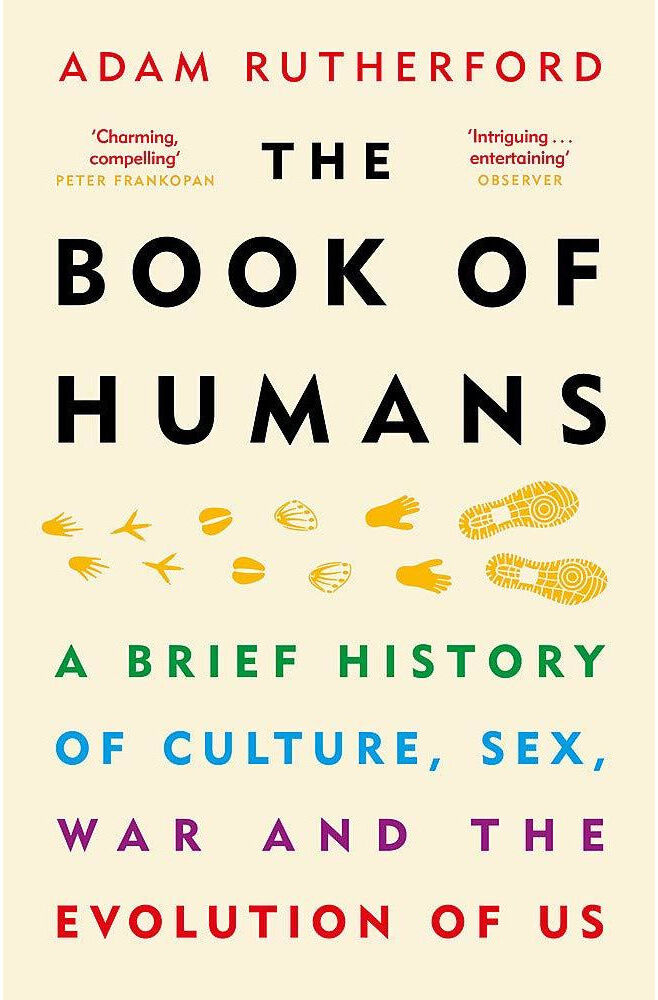
Orion The Book of Humans by Adam Rutherford – A Brief History of Culture, Sex, War & EvolutionWHAT MAKES US HUMAN? Waging war? Sex for pleasure? Creating art? Mastery of fire? In this thrilling tour of the animal kingdom, Adam Rutherford tells the story of how we became the unique creatures we are today. Illuminated by the latest scientific discoveries, THE BOOK OF HUMANS is a dazzling compendium of what unequivocally fixes us as animals, and reveals how we are extraordinary among them.4,98 £*Shipping: 1,99 £Secure redirect to the provider



-
What substance is the strongest oxidizing agent?
The strongest oxidizing agent is fluorine (F2). Fluorine has the highest electronegativity of all the elements, which means it has a strong attraction for electrons. This makes it highly reactive and able to readily accept electrons from other substances, causing them to be oxidized. As a result, fluorine is a powerful oxidizing agent and can react with a wide variety of other elements and compounds. **
-
Why is oxygen a strong oxidizing agent?
Oxygen is a strong oxidizing agent because it has a high electronegativity, meaning it has a strong attraction for electrons. This allows it to readily accept electrons from other substances, causing them to be oxidized. Additionally, oxygen forms stable and energetically favorable compounds when it gains electrons, such as in the formation of water. This combination of high electronegativity and the stability of its reduced form makes oxygen a powerful oxidizing agent. **
-
When is hydrogen sulfide an oxidizing agent?
Hydrogen sulfide can act as an oxidizing agent when it reacts with certain metals, such as iron, copper, or silver. In these reactions, hydrogen sulfide is oxidized to form sulfur or sulfur dioxide, while the metal is reduced. This can occur in various chemical and biological processes, such as in the corrosion of metal pipes or in certain biological pathways where hydrogen sulfide is involved. Overall, hydrogen sulfide's ability to act as an oxidizing agent depends on the specific reaction and the substances involved. **
-
Why do some acids act as oxidizing agents?
Some acids act as oxidizing agents because they have the ability to donate oxygen atoms or accept electrons from other substances. This results in the oxidation of the other substance, while the acid itself is reduced. Acids with a high oxidation state, such as nitric acid or sulfuric acid, are particularly good oxidizing agents due to their ability to readily transfer oxygen atoms or accept electrons. This property makes them useful in various chemical reactions where oxidation is required. **


What is the composition of the oxidizing atmosphere?
The oxidizing atmosphere is composed of gases such as oxygen (O2), ozone (O3), and nitrogen dioxide (NO2) that have the ability to accept electrons from other substances, causing oxidation reactions. These gases are present in the Earth's atmosphere and are responsible for processes such as combustion, rusting, and the breakdown of organic matter. The presence of these oxidizing gases is essential for many natural processes, but can also contribute to air pollution and environmental damage when present in high concentrations. **
What is the difference between rusting and oxidizing?
Rusting specifically refers to the corrosion of iron and its alloys, typically due to exposure to moisture and oxygen. Oxidizing, on the other hand, is a more general term that refers to the process of a substance losing electrons and increasing its oxidation state. While rusting is a specific type of oxidation that occurs with iron, oxidizing can occur with a wide range of materials and is not limited to just metals. **
Top-Angebote
Products related to Oxidizing:
-
Cotril Hydra Hydrating and Anti-Oxidizing Shampoo 300mLA shampoo for dry or dehydrated skin. Revitalize dehydrated hair with Hydra Hydrating Shampoo. This nourishing, anti-oxidizing formula restores moisture, protects against free radicals, and leaves hair shiny, soft, and healthy. Deeply hydrates and nourishes dry, dehydrated hair. Anti-oxidizing action fights free radicals for healthier hair.14,59 £*Shipping: 6,86 £Secure redirect to the provider
-
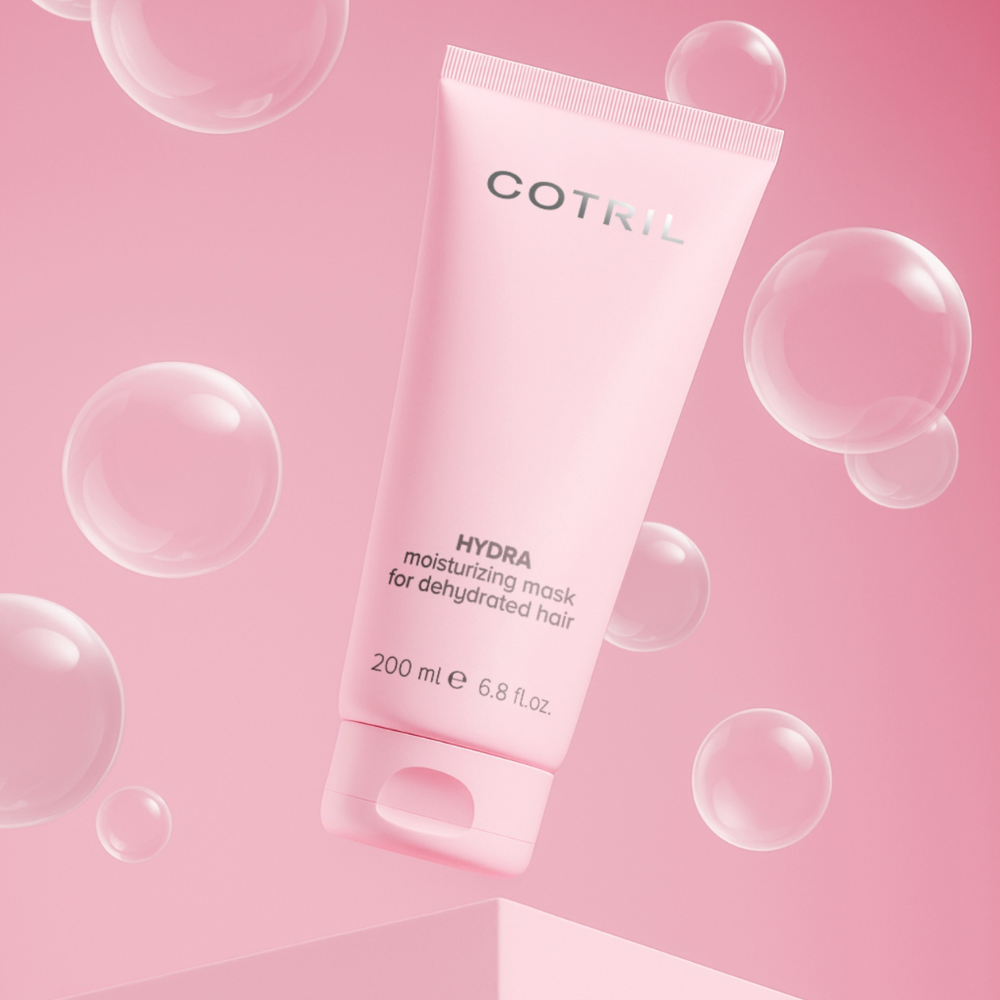
Cotril Hydra Hydrating and Anti-Oxidizing Mask 200mLA hair-care product for dry or dehydrated skin. Revive dehydrated hair with Hydra Hydrating Mask. This intensive, anti-oxidizing treatment restores moisture, enhances softness, adds gloss, and improves compatibility for silky, healthy-looking hair. Provides deep moisture and nourishment to dry, dehydrated hair.16,93 £*Shipping: 6,86 £Secure redirect to the provider
-
Farmavita Life Oxidizing Cream 20 Vol 6% 100 mlHealth and Beauty Coloration Farmavita Life Oxidizing Cream 20 Vol 6% 100 ml Bleaching cream - Lightening: 6 shades and more. For a gentler and safer treatment . It solubilizes easily with the oxidant, preventing dispersion of the product. Excellent results. How to use: Mix one part of Life Décolor with two parts of Life Crea Oxygenated. Apply evenly throughout the hair. Do not exceed the recommended exposure times. To lighten 3 tones, use Oxygenated Life Cream at 6% for 20 minutes. To lighten 4 tones, use 9% Oxygenated Life Cream for 25 minutes. To lighten 6 shades, use 12% Oxygenated Life Cream for 35 minutes. Rinse thoroughly with a mild shampoo.1,60 £*Shipping: 3,99 £Secure redirect to the provider
-
Farmavita Life Oxidizing Cream 30 Vol 9% 100 mlHealth and Beauty Coloration Farmavita Life Oxidizing Cream 30 Vol 9% 100 ml Life Cream is a stabilized oxygenated creamy emulsion. Thanks to its delicate formula, it is ideal for coloring and bleaching. How to use Mix one part of Life Décolor with two parts of Oxygenated Life Cream. Apply evenly throughout the hair. Do not exceed recommended exposure times.2,79 £*Shipping: 3,99 £Secure redirect to the provider
-
Does oxidizing mean the same as rusting?
Oxidizing and rusting are related processes, but they are not exactly the same. Oxidizing refers to a chemical reaction in which a substance loses electrons, while rusting specifically refers to the oxidation of iron and iron alloys. Rusting is a type of oxidation that occurs when iron or steel reacts with oxygen and moisture in the air to form iron oxide. So, while rusting is a form of oxidation, not all oxidation processes result in rusting. **
-
What are reducing agents and oxidizing agents?
Reducing agents are substances that donate electrons to another substance, causing it to be reduced. This means that the reducing agent itself is oxidized in the process. On the other hand, oxidizing agents are substances that accept electrons from another substance, causing it to be oxidized. This means that the oxidizing agent itself is reduced in the process. Both reducing agents and oxidizing agents play important roles in redox reactions, where one substance loses electrons (oxidation) and another gains electrons (reduction). **
-
What substance is the strongest oxidizing agent?
The strongest oxidizing agent is fluorine (F2). Fluorine has the highest electronegativity of all the elements, which means it has a strong attraction for electrons. This makes it highly reactive and able to readily accept electrons from other substances, causing them to be oxidized. As a result, fluorine is a powerful oxidizing agent and can react with a wide variety of other elements and compounds. **
-
Why is oxygen a strong oxidizing agent?
Oxygen is a strong oxidizing agent because it has a high electronegativity, meaning it has a strong attraction for electrons. This allows it to readily accept electrons from other substances, causing them to be oxidized. Additionally, oxygen forms stable and energetically favorable compounds when it gains electrons, such as in the formation of water. This combination of high electronegativity and the stability of its reduced form makes oxygen a powerful oxidizing agent. **
Similar search terms for Oxidizing
-
From the Archives: Black History and Culture Value PackThis brand-new series is rooted in a profound commitment to shedding light on some of the important -- and often lesser-known -- aspects of Black history. From the Archives features landmarks, events, people, and artistic endeavors that have played...27,99 $*Shipping: 0,00 $Secure redirect to the provider
-
Orion The Book of Humans by Adam Rutherford – A Brief History of Culture, Sex, War & EvolutionWHAT MAKES US HUMAN? Waging war? Sex for pleasure? Creating art? Mastery of fire? In this thrilling tour of the animal kingdom, Adam Rutherford tells the story of how we became the unique creatures we are today. Illuminated by the latest scientific discoveries, THE BOOK OF HUMANS is a dazzling compendium of what unequivocally fixes us as animals, and reveals how we are extraordinary among them.4,98 £*Shipping: 1,99 £Secure redirect to the provider
-
DK 100 History Series 4 Books Collection Set - History, Events, Inventions, Women - Non Fiction - PaperbackTitles in This Set:. 100 People Who Made History. 100 Events That Made History. 100 Inventions That Made History. 100 Women Who Made History Condition: BRAND NEW. Format: Paperback Overview:. Dive into four gateways to the past with the 100 History Series 4 Books Collection Set. Crafted for curious minds, this paperback quartet turns big ideas into bite-sized, visually engaging profiles that are easy to read. Explore the trailblazers who reshaped culture, the moments that redirected civilizations, the inventions that power daily life, and the remarkable women who advanced science, politics, sport, and art. Each title offers concise entries, vivid illustrations, and clear timelines that bring history to life. Perfect for reluctant readers who enjoy fast-paced, picture-rich pages, as well as history lovers seeking a portable quick-reference library. Together, these four volumes form a complete, affordable history journey in one beautifully bound set. What Makes This Collection Special:. This quartet forms a cohesive, all-ages history library in four approachable strands. Readers can start with the people who defined eras, move through pivotal events, explore inventions that changed daily life, and celebrate the extraordinary women who shaped society. The consistent design—same accessible tone, layout, and eye-catching visuals—creates a satisfying reading rhythm that invites steady progress. For parents, teachers, and gift-givers, the set doubles as a curriculum-friendly resource that supports homework and discussions while sparking curiosity long after the first page. It’s a complete toolkit for building historical literacy, critical thinking, and a lifelong love of learning. Books Included in This Collection:. 100 People Who Made History. From scientists, artists, and political leaders to cultural icons, this volume distills 100 lives into concise biographies. Each entry highlights the figure’s impact with clear context and vivid visuals, helping readers see how individual choices ripple through time. Short, engaging profiles invite discussion, curiosity, and inspiration, making it ideal for bedtime reading or classroom reference that builds early historical literacy. 100 Events That Made History. From ancient trade routes to modern breakthroughs, this volume charts 100 transformative moments that shaped human civilization. Each entry explains the event’s significance, the timeline, and the aftermath in a way that’s accessible to younger readers without sacrificing depth. Crisp illustrations and sidebars illuminate cause-and-effect, helping readers connect past events with present-day life and ideas. 100 Inventions That Made History. This book surveys 100 breakthroughs that quietly power daily life—from everyday tools to revolutionary technologies. Each entry explains what the invention does, who contributed to its development, and why it mattered in its era and beyond. With approachable diagrams and compact explanations, it makes the story of...99,99 £*Shipping: 0,00 £Secure redirect to the provider
-
The Book of Humans: A Brief History of Culture, Sex, War and the Evolution of Us by Adam Rutherford - Non Fiction - PaperbackTitle:. The Book of Humans: A Brief History of Culture, Sex, War and the Evolution of Us Condition: BRAND NEW. Format: Paperback. ISBN: Overview:. In The Book of Humans, Adam Rutherford invites readers on a provocative tour through the animal kingdom and across human history to answer a single, enduring question: what makes us human? Drawing on genetics, archaeology, neuroscience, and anthropology, the book reveals how culture, sexuality, warfare, language, and emotion are woven into our evolutionary story. Rutherford presents complex science in clear, vivid prose, turning big ideas into accessible, evidence-based insights. He argues that humans are both remarkably unique and deeply continuous with the animal world, proving that our most celebrated innovations—art, religion, science, social justice—emerge from a natural, biological foundation. This paperback edition is ideal for curious readers, students, and gift buyers who want a compelling map of what shapes human life today. Whether you’re seeking a thoughtful popular science read that challenges assumptions or a rigorous primer for a classroom discussion, this book rewards careful reading and engagement. What Makes This Book Stand Out:. Adam Rutherford’s warmth as a guide and his knack for making science feel human are what set The Book of Humans apart. Rather than a dry survey of facts, he threads genetics with culture, showing how our DNA interacts with environment to shape art, politics, and daily life. The book dismantles myths about human nature, offering fresh perspectives on why societies form, how conflict arises, and what drives relationships, sexuality, and cooperation. Rich with real-world examples—from animal behavior to ancient artifacts—this is a work that invites readers to question clichés while gaining a clearer, integrated view of humanity. The result is a readable, thought-provoking journey into who we are and why we do the things we do. Who This Book Is Perfect For:. This title is ideal for adults who crave rigorous,Accessible popular science that respects your intelligence, science enthusiasts seeking a concise synthesis of biology and culture, and curious non-fiction readers eager for a fresh take on human evolution. It’s a superb pick for book clubs, thoughtful gifts for graduates, teachers incorporating cross-disciplinary material, and fans of science communication who enjoyed Rutherford’s other work. If you’ve ever wondered why humans create culture, why rituals endure, or how biology underpins social life, this book answers those questions with clarity and punch. Key Highlights:. Explores the biological roots of culture, art, and language. Demystifies human uniqueness while linking us to other animals. Accessible, engaging writing that makes complex science approachable. Challenging preconceptions about sex, war, cooperation and conflict. Thought-provoking, discussion-worthy examples for classrooms and book clubs. Solid foundation for further reading in evolution,...2,99 £*Shipping: 2,99 £Secure redirect to the provider
-
When is hydrogen sulfide an oxidizing agent?
Hydrogen sulfide can act as an oxidizing agent when it reacts with certain metals, such as iron, copper, or silver. In these reactions, hydrogen sulfide is oxidized to form sulfur or sulfur dioxide, while the metal is reduced. This can occur in various chemical and biological processes, such as in the corrosion of metal pipes or in certain biological pathways where hydrogen sulfide is involved. Overall, hydrogen sulfide's ability to act as an oxidizing agent depends on the specific reaction and the substances involved. **
-
Why do some acids act as oxidizing agents?
Some acids act as oxidizing agents because they have the ability to donate oxygen atoms or accept electrons from other substances. This results in the oxidation of the other substance, while the acid itself is reduced. Acids with a high oxidation state, such as nitric acid or sulfuric acid, are particularly good oxidizing agents due to their ability to readily transfer oxygen atoms or accept electrons. This property makes them useful in various chemical reactions where oxidation is required. **
-
What is the composition of the oxidizing atmosphere?
The oxidizing atmosphere is composed of gases such as oxygen (O2), ozone (O3), and nitrogen dioxide (NO2) that have the ability to accept electrons from other substances, causing oxidation reactions. These gases are present in the Earth's atmosphere and are responsible for processes such as combustion, rusting, and the breakdown of organic matter. The presence of these oxidizing gases is essential for many natural processes, but can also contribute to air pollution and environmental damage when present in high concentrations. **
-
What is the difference between rusting and oxidizing?
Rusting specifically refers to the corrosion of iron and its alloys, typically due to exposure to moisture and oxygen. Oxidizing, on the other hand, is a more general term that refers to the process of a substance losing electrons and increasing its oxidation state. While rusting is a specific type of oxidation that occurs with iron, oxidizing can occur with a wide range of materials and is not limited to just metals. **
* All prices are inclusive of VAT and, if applicable, plus shipping costs. The offer information is based on the details provided by the respective shop and is updated through automated processes. Real-time updates do not occur, so deviations can occur in individual cases. ** Note: Parts of this content were created by AI.