Buy schleswig.info ?
We are moving the project
schleswig.info .
Are you interested in purchasing the domain
schleswig.info ?
domain@kv-gmbh.de · 0541-91531010
Buy schleswig.info ?
What is the significance of the sitting position of the Buddha figure?
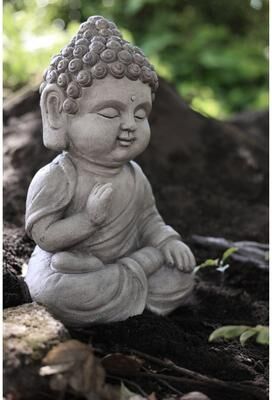
The sitting position of the Buddha figure, known as the lotus position or the full lotus position, is significant for several reasons. Firstly, it represents a state of meditation and inner peace, as the posture is conducive to deep concentration and mindfulness. Secondly, it symbolizes the Buddha's enlightenment and his ability to remain calm and composed in the face of challenges. Additionally, the lotus position is also seen as a way to balance the body's energy and promote good posture, which is important for physical and mental well-being. Overall, the sitting position of the Buddha figure serves as a visual reminder of the importance of inner peace, mindfulness, and balance in one's life. **
What events occurred in the life of the Buddha?
The Buddha, originally known as Siddhartha Gautama, was born into a royal family in ancient India. He lived a sheltered life until he encountered the realities of old age, sickness, and death, prompting him to renounce his luxurious lifestyle in search of spiritual enlightenment. After years of meditation and self-discovery, he attained enlightenment under a Bodhi tree, becoming the Buddha. He then spent the rest of his life teaching the Four Noble Truths and the Eightfold Path to help others achieve liberation from suffering. **


Similar search terms for Sitting-Buddha
Top-Angebote
Products related to Sitting-Buddha:
-
Kodotan sofa "24""Tall Solar Lighted Garden Buddha Statue, Grey Stone‑Textured Lantern Figurine, Zen Decorative Sculpture with Sitting Buddha"Tall Solar Lighted Garden Buddha Statue**Zen‑style lantern sculpture features a serene sitting buddha on the top. Grey stone‑textured body matched with off‑white buddha creates peaceful atmosphere.199,99 $*Shipping: 0,00 $Secure redirect to the provider
-
Happy Larry Weatherproof Zen Sitting Buddha Statue for Indoor & Outdoor Decor Gray 23cm H X 16cm W X 11cm DElevate your home or garden with this serene Zen Sitting Buddha statue. Expertly cast from durable, weatherproof resin, it boasts a sophisticated stone-effect finish that seamlessly blends with any decor. At a graceful 23cm tall and just 0.6kg, this lightweight yet resilient ornament is perfect for creating a tranquil focal point both indoors and out. Ideal for personal reflection or as a thoughtful gift, it brings a touch of peaceful elegance and timeless charm to any environment. Infuse your space with calm and beauty effortlessly. Cultivate serenity with this beautifully meditating Buddha statue.. Crafted from durable, weatherproof resin with an elegant stone-effect finish.. Perfect for enhancing gardens, patios, or any indoor living space.. Lightweight (0.6kg) and compact (23cm tall) for effortless placement.. Exquisite detailing from perfect molds ensures a high-quality, peaceful aesthetic.. Brand Name: Happy Larry.79,99 £*Shipping: 0,00 £Secure redirect to the provider


-
Who is Buddha?
Buddha, also known as Siddhartha Gautama, was a spiritual leader and teacher who lived in ancient India around the 6th century BCE. He is the founder of Buddhism, a major world religion that emphasizes the pursuit of enlightenment and the cessation of suffering. Buddha is revered as a wise and compassionate figure who achieved enlightenment and taught others how to find inner peace and liberation from the cycle of birth, death, and rebirth. His teachings, known as the Dharma, continue to inspire millions of people around the world to this day. **
-
Was Buddha an Indian?
Yes, Buddha was born in Lumbini, which is in present-day Nepal, but during his lifetime, the region was part of ancient India. Therefore, Buddha is often referred to as an Indian philosopher and spiritual leader. His teachings and influence spread throughout the Indian subcontinent and beyond, shaping the development of Buddhism as a major world religion. **
-
Did Buddha really exist?
Yes, historical evidence suggests that Buddha, also known as Siddhartha Gautama, did exist. He was a spiritual teacher who lived in ancient India around the 6th century BCE. His teachings formed the foundation of Buddhism, a major world religion that continues to be practiced by millions of people today. While some details of his life may be debated, the general consensus among scholars is that Buddha was a real historical figure. **
-
Did Buddha eat meat?
Buddha did eat meat, as it was a common practice in his time and region. However, he advocated for moderation and mindfulness in all aspects of life, including food consumption. He also emphasized the importance of compassion and non-harming, so he discouraged his followers from engaging in excessive or unnecessary killing of animals for food. Ultimately, the decision to eat meat or not was left to the individual's personal choice and ethical considerations. **


How did Buddha meditate?
Buddha meditated by practicing mindfulness and concentration. He would often sit in a cross-legged position, with his back straight, and focus on his breath or on a specific object. He would also practice walking meditation, where he would walk slowly and mindfully, paying attention to each step. Through these meditation practices, Buddha was able to cultivate a deep sense of awareness and insight into the nature of suffering and the path to liberation. **
Can every Buddhist become Buddha?
In Mahayana Buddhism, it is believed that every sentient being has the potential to become a Buddha, or to achieve enlightenment. This is based on the concept of Buddha nature, which suggests that all beings possess the innate qualities necessary to attain Buddhahood. However, in order to achieve this, individuals must engage in spiritual practice, cultivate wisdom and compassion, and follow the path laid out by the Buddha. While the potential for Buddhahood exists in all beings, the actual realization of this potential depends on one's dedication and effort in pursuing the path to enlightenment. **
Top-Angebote
Products related to Sitting-Buddha:
-
Kodotan sofa "24""Tall Solar Lighted Garden Buddha Statue, Grey Stone‑Textured Lantern Figurine, Zen Decorative Sculpture with Sitting Buddha"Tall Solar Lighted Garden Buddha Statue**Zen‑style lantern sculpture features a serene sitting buddha on the top. Grey stone‑textured body matched with off‑white buddha creates peaceful atmosphere.199,99 $*Shipping: 0,00 $Secure redirect to the provider
-
What is the significance of the sitting position of the Buddha figure?
The sitting position of the Buddha figure, known as the lotus position or the full lotus position, is significant for several reasons. Firstly, it represents a state of meditation and inner peace, as the posture is conducive to deep concentration and mindfulness. Secondly, it symbolizes the Buddha's enlightenment and his ability to remain calm and composed in the face of challenges. Additionally, the lotus position is also seen as a way to balance the body's energy and promote good posture, which is important for physical and mental well-being. Overall, the sitting position of the Buddha figure serves as a visual reminder of the importance of inner peace, mindfulness, and balance in one's life. **
-
What events occurred in the life of the Buddha?
The Buddha, originally known as Siddhartha Gautama, was born into a royal family in ancient India. He lived a sheltered life until he encountered the realities of old age, sickness, and death, prompting him to renounce his luxurious lifestyle in search of spiritual enlightenment. After years of meditation and self-discovery, he attained enlightenment under a Bodhi tree, becoming the Buddha. He then spent the rest of his life teaching the Four Noble Truths and the Eightfold Path to help others achieve liberation from suffering. **
-
Who is Buddha?
Buddha, also known as Siddhartha Gautama, was a spiritual leader and teacher who lived in ancient India around the 6th century BCE. He is the founder of Buddhism, a major world religion that emphasizes the pursuit of enlightenment and the cessation of suffering. Buddha is revered as a wise and compassionate figure who achieved enlightenment and taught others how to find inner peace and liberation from the cycle of birth, death, and rebirth. His teachings, known as the Dharma, continue to inspire millions of people around the world to this day. **
-
Was Buddha an Indian?
Yes, Buddha was born in Lumbini, which is in present-day Nepal, but during his lifetime, the region was part of ancient India. Therefore, Buddha is often referred to as an Indian philosopher and spiritual leader. His teachings and influence spread throughout the Indian subcontinent and beyond, shaping the development of Buddhism as a major world religion. **
Similar search terms for Sitting-Buddha
-
Happy Larry Weatherproof Zen Sitting Buddha Statue for Indoor & Outdoor Decor Gray 23cm H X 16cm W X 11cm DElevate your home or garden with this serene Zen Sitting Buddha statue. Expertly cast from durable, weatherproof resin, it boasts a sophisticated stone-effect finish that seamlessly blends with any decor. At a graceful 23cm tall and just 0.6kg, this lightweight yet resilient ornament is perfect for creating a tranquil focal point both indoors and out. Ideal for personal reflection or as a thoughtful gift, it brings a touch of peaceful elegance and timeless charm to any environment. Infuse your space with calm and beauty effortlessly. Cultivate serenity with this beautifully meditating Buddha statue.. Crafted from durable, weatherproof resin with an elegant stone-effect finish.. Perfect for enhancing gardens, patios, or any indoor living space.. Lightweight (0.6kg) and compact (23cm tall) for effortless placement.. Exquisite detailing from perfect molds ensures a high-quality, peaceful aesthetic.. Brand Name: Happy Larry.79,99 £*Shipping: 0,00 £Secure redirect to the provider
-
Kodotan sofa Magnesium Oxide Buddha Statue Weatherproof Buddha Sculpture Outdoor Garden Courtyard Decor OrnamentMade from high-quality magnesium oxide in a single-piece cast, it is sturdy yet lightweight, waterproof, freeze-resistant, and UV-resistant.141,59 $*Shipping: 0,00 $Secure redirect to the provider
-
Did Buddha really exist?
Yes, historical evidence suggests that Buddha, also known as Siddhartha Gautama, did exist. He was a spiritual teacher who lived in ancient India around the 6th century BCE. His teachings formed the foundation of Buddhism, a major world religion that continues to be practiced by millions of people today. While some details of his life may be debated, the general consensus among scholars is that Buddha was a real historical figure. **
-
Did Buddha eat meat?
Buddha did eat meat, as it was a common practice in his time and region. However, he advocated for moderation and mindfulness in all aspects of life, including food consumption. He also emphasized the importance of compassion and non-harming, so he discouraged his followers from engaging in excessive or unnecessary killing of animals for food. Ultimately, the decision to eat meat or not was left to the individual's personal choice and ethical considerations. **
-
How did Buddha meditate?
Buddha meditated by practicing mindfulness and concentration. He would often sit in a cross-legged position, with his back straight, and focus on his breath or on a specific object. He would also practice walking meditation, where he would walk slowly and mindfully, paying attention to each step. Through these meditation practices, Buddha was able to cultivate a deep sense of awareness and insight into the nature of suffering and the path to liberation. **
-
Can every Buddhist become Buddha?
In Mahayana Buddhism, it is believed that every sentient being has the potential to become a Buddha, or to achieve enlightenment. This is based on the concept of Buddha nature, which suggests that all beings possess the innate qualities necessary to attain Buddhahood. However, in order to achieve this, individuals must engage in spiritual practice, cultivate wisdom and compassion, and follow the path laid out by the Buddha. While the potential for Buddhahood exists in all beings, the actual realization of this potential depends on one's dedication and effort in pursuing the path to enlightenment. **
* All prices are inclusive of VAT and, if applicable, plus shipping costs. The offer information is based on the details provided by the respective shop and is updated through automated processes. Real-time updates do not occur, so deviations can occur in individual cases. ** Note: Parts of this content were created by AI.